Chronic Functional Constipation (Colonic Inertia & Pelvic Dyssynergia)
An authoritative clinical and educational profile of Chronic Functional Constipation, covering slow-transit colonic inertia, pelvic floor dyssynergic defecation, enteric neuromotor coordination, constitutional homeopathic supportive management, and emergency red flags for acute mechanical bowel obstruction, toxic megacolon, and colorectal malignancy.
Editorial review complete
Independent clinical validation is pending.
Quick Reference Facts
"New-onset constipation in any patient over the age of 50 is an alarm symptom that mandates diagnostic colonoscopy to rule out colorectal adenocarcinoma."
Visual guide
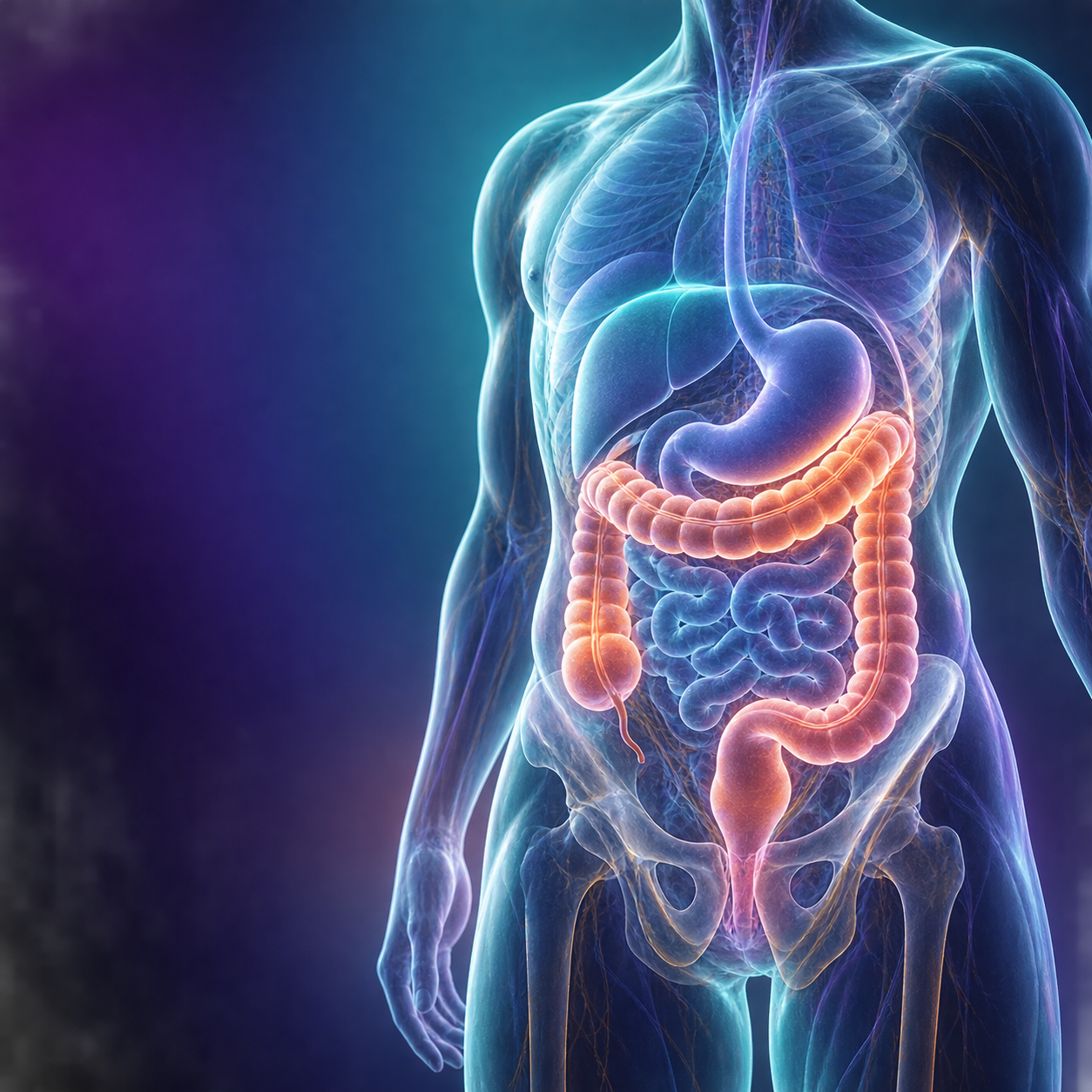
 Homeo Healthcare
 Homeo Healthcare
 Homeo Healthcare
In simple words
Chronic Functional Constipation is a widespread, heterogeneous gastrointestinal disorder defined by persistent, infrequent bowel evacuations (<3 spontaneous bowel movements per week), difficulty during defecation (excessive straining in ≥25% of defecations), hard or lumpy stools (Bristol Stool Form Scale Types 1 and 2), a sensation of incomplete anorectal evacuation, and a feeling of anorectal blockage. Pathophysiologically categorized into normal-transit constipation (most common; often overlapping with constipation-predominant IBS [IBS-C]), slow-transit constipation (colonic inertia / myopathic or neuropathic delay in colonic transit), and defecatory disorders (pelvic floor dyssynergia / paradoxical anal sphincter contraction), it causes significant abdominal bloating, discomfort, and impaired quality of life.
A symptom-based functional gastrointestinal disorder defined by the Rome IV diagnostic criteria as the presence of at least two characteristic defecatory symptoms occurring for the past 3 months with symptom onset at least 6 months prior to diagnosis, in the absence of structural, metabolic, or mechanical obstruction.
Common causes
- Slow-Transit Constipation (Colonic Inertia): marked reduction in propagating high-amplitude peristaltic colonic contractions (HAPCs), loss of enteric interstitial cells of Cajal (ICCs), and enteric myopathic/neuropathic degenerative changes
- Defecatory Disorders (Pelvic Floor Dyssynergia / Anismus): paradoxical contraction or failure of relaxation of the puborectalis muscle and external anal sphincter during bearing-down attempts
- Dietary and lifestyle factors: inadequate dietary soluble/insoluble fiber, chronic fluid dehydration, and sedentary physical inactivity
- Pharmacological agents: opioids (opioid-induced constipation [OIC]), anticholinergics, calcium channel blockers, iron supplements, aluminum antacids, and tricyclic antidepressants
- Secondary metabolic and neuroendocrine disorders: hypothyroidism (slowed basal metabolic and intestinal transit rate), hypercalcemia, diabetes mellitus (diabetic autonomic enteropathy), Parkinson's disease, and spinal cord injuries
Risk Factors
- Female gender (prevalence 2 to 3 times higher due to progesterone slowing transit time and higher rates of pelvic floor trauma from childbirth)
- Advanced age (>65 years; reduced physical mobility, diminished thirst response, polypharmacy, and pelvic floor laxity)
- Chronic suppression of the natural defecatory urge ('habitual withholding')
- Low dietary intake of dietary fiber (<15 g/day) and low daily water consumption
- History of pelvic organ prolapse (rectocele, enterocele) or prior pelvic surgeries
Common symptoms
- Infrequent bowel movements: fewer than 3 spontaneous bowel evacuations per week
- Excessive straining, grunting, and prolonged time spent on the toilet during ≥25% of defecations
- Lumpy, hard, dry, compacted stools: separate hard lumps resembling nuts or sheep dung (Bristol Stool Form Scale Type 1) or sausage-shaped but lumpy (Bristol Type 2)
- Sensation of incomplete evacuation: feeling that stool remains in the rectum even after passing a bowel movement
- Sensation of anorectal obstruction or blockage requiring manual maneuvers to facilitate defecation (digital evacuation or perineal support)
- Abdominal bloating, crampy lower quadrant distension, gas retention, and malaise relieved following a successful bowel movement
Clinical Red Flags
Seek urgent medical attention at an emergency department or primary care clinic if you present with any of the following symptoms:
- Acute Complete Mechanical Bowel Obstruction: sudden cessation of passage of both feces and flatus (obstipation), accompanied by severe abdominal distension, tympanitic abdomen, high-pitched hyperactive bowel sounds or absent bowel sounds, severe vomiting (potentially feculent), and visible peristalsis (surgical emergency requiring emergency abdominal CT and surgical decompression)
- Red flag 'Alarm' colorectal cancer signs: new-onset constipation in an individual over 50 years of age, persistent unexplained hematochezia (rectal bleeding) or melena, iron-deficiency anemia, rapid unintentional weight loss, or family history of colorectal cancer (mandates urgent diagnostic Colonoscopy)
- Severe fecal impaction with stercoral ulceration, bowel ischemia, or stercoral peritonitis (requires urgent manual disimpaction and surgical evaluation)
- Toxic Megacolon: marked colonic dilation (>6 cm on radiograph) accompanied by high fever, severe tachycardia, leukocytosis, and systemic toxicity
Lifestyle & diet support
Gradually increase dietary fiber intake by consuming oats, flaxseeds, legumes, prunes, kiwi fruit, and green vegetables, drink at least 2.5 to 3 liters of water throughout the day, take advantage of the morning gastrocolic reflex by sitting on the toilet 20–30 minutes after breakfast, use a footstool ('Squatty Potty') to elevate the knees above the hips and straighten the anorectal angle, and engage in daily brisk walking to stimulate colonic motor activity.
Treatment Approaches
Conventional Management
A stepwise structured ladder approach is recommended: (1) Dietary modification (gradually increasing dietary fiber to 25–35 g/day plus generous hydration). (2) Osmotic laxatives (polyethylene glycol [PEG 3350] is the first-line evidence-based osmotic agent; lactulose, magnesium hydroxide) or bulk-forming fiber (psyllium / ispaghula husk). (3) Stimulant laxatives (bisacodyl, senna) for rescue use. (4) Secretagogues and prokinetics (lubiprostone [chloride channel activator], linaclotide, plecanatide [guanylate cyclase-C agonists], or prucalopride [5-HT4 receptor agonist]) for severe refractory slow-transit constipation. (5) Pelvic Floor Biofeedback Therapy is the undisputed first-line treatment for dyssynergic defecation (>70–80% success rate).
Homeopathic Approach
Homeopathic constitutional and gastrointestinal remedies (such as Nux Vomica, Bryonia Alba, Alumina, Opium, Lycopodium Clavatum, Silicea, Plumbum Metallicum, Graphites, Hydrastis Canadensis) serve as supportive care to assist peristaltic coordination, ease dry stool straining, and support bowel regularity alongside dietary fiber, adequate water intake, and biofeedback retraining.
Frequently Asked Questions
Clinical & academic detailShow detailHide detail
Diagnosis & tests
Investigation Protocol
Diagnosed clinically using the Rome IV diagnostic criteria for Functional Constipation. Digital Rectal Examination (DRE) is mandatory in all patients to assess for fecal impaction, resting anal sphincter tone, puborectalis relaxation during simulated bearing down, and to detect rectal masses or rectoceles. Diagnostic physiological tests (indicated for refractory constipation) include Radiopaque Marker Colonic Transit Study (Sitzmarks test), Anorectal Manometry (assessing rectoanal inhibitory reflex [RAIR] to exclude adult Hirschsprung's disease and evaluating dyssynergia), and Balloon Expulsion Test (abnormal if unable to expel a 50 mL water-filled balloon within 1 minute).
Differential Diagnosis
Differentiate Functional Constipation from Constipation-Predominant Irritable Bowel Syndrome (IBS-C; abdominal pain is the predominant cardinal feature and is temporally related to defecation), Mechanical Colorectal Obstruction (colon adenocarcinoma, benign strictures, volvulus, external compression), Hypothyroidism, Hypercalcemia (hyperparathyroidism), and Drug-Induced Constipation (opioids).
Differential Diagnosis Matrix
Differentiate Functional Constipation from Constipation-Predominant Irritable Bowel Syndrome (IBS-C; abdominal pain is the predominant cardinal feature and is temporally related to defecation), Mechanical Colorectal Obstruction (colon adenocarcinoma, benign strictures, volvulus, external compression), Hypothyroidism, Hypercalcemia (hyperparathyroidism), and Drug-Induced Constipation (opioids).
Reference Citations & Evidence Sources
Classical Homeopathic Literature
- CIT-0007Hahnemann S.. "The Chronic Diseases: Their Peculiar Nature and Their Homoeopathic Cure." Adolph Arnold (1828).
Materia Medica & Keynotes
- CIT-0004Hahnemann S.. "Materia Medica Pura." Adolph Arnold (1811).
- CIT-0005Kent J. T.. "Lectures on Homoeopathic Materia Medica." Boericke & Tafel (1905).
- CIT-0006Boericke W.. "Pocket Manual of Homoeopathic Materia Medica." Boericke & Runyon (1901).
Clinical Reviews & Textbooks
- CIT-0023National Center for Complementary and Integrative Health. "Homeopathy: What You Need To Know." National Institutes of Health (2021).
No clinical connections registered for this topic.
Seeking Expert Consultation?
Book an online video session with Dr. Narayan Jethwani to get an individualized constitutional homeopathic protocol tailored to your case.
Medical Safety Disclaimer
All content on the Homeo Healthcare platform is strictly for educational purposes and is not personal medical advice, diagnosis, or treatment. Homeopathic remedy considerations are provided for clinician review or require individualized consultation with a qualified physician. Never delay seeking professional medical advice or emergency medical care due to content you have read on this website.